
Robot Arm: The Agile Hand of Modern Manufacturing
I. What is a Robot Arm?
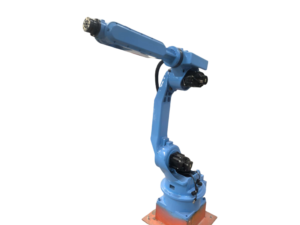
A robot arm, often referred to as a robotic manipulator or simply a robotic arm, is a multifunctional automated mechanical device that mimics the functions of a human arm. It typically consists of a base, multiple joints, linkages, and an end effector. Under the control of a computer program, it can perform precise movements and operational tasks within a three-dimensional space.
II. Core Functional Characteristics
Modern robot arms possess highly flexible motion capabilities, usually featuring joints with 4 to 6 degrees of freedom, enabling them to bend, rotate, and grasp like a human arm. They are equipped with advanced sensors and vision systems, allowing them to perceive their external environment and achieve precise positioning and force control operations. Through programming, robotic arms can quickly switch between different tasks, from handling and assembly to welding and spraying, demonstrating strong adaptability.
III. Profound Impact on Production and Manufacturing
In the production sector, the widespread application of robot arms is reshaping the landscape of the manufacturing industry. Its impact is mainly reflected in the following three aspects:
1. Significantly Enhanced Safety
Traditional manufacturing involves numerous high-intensity and high-risk positions, such as handling heavy components, working in high-temperature environments, or dealing with hazardous substances. Robot arms can perfectly replace human labor in these “3D” (Dirty, Dangerous, and Difficult) jobs, fundamentally eliminating the risk of workplace injuries. They are tireless and fearless, creating a safer working environment for human workers.
2. Greatly Optimized Efficiency
Robotic arms can operate 24/7 without interruption, with motion precision and speed far exceeding that of human workers. Taking automotive welding as an example, robotic arms ensure that every weld point is precisely the same, leading not only to stable output but also to a significant increase in the yield of quality products. They can also seamlessly integrate with conveyor belts and other equipment to build fully automated production lines, greatly shortening product manufacturing cycles.
3. Positive Shift in Cost Structure
Although the initial investment in robotic arms is relatively high, the long-term benefits are significant. A single robotic arm can replace the workload of multiple workers, saving on labor costs over time. Furthermore, their high machining precision effectively reduces the waste of raw materials. Consistent product quality also lowers rework rates and after-sales maintenance costs, helping companies build stronger market competitiveness.
In summary, with their unique advantages, robot arms are becoming the core force driving the manufacturing industry towards greater intelligence and automation.
For more information, please contact our sales manager:Andy:
Tel:13916800803 WhatsApp:13916800803 Email:grace.lee.friendly@gmail.com
Hi, this is a comment.
To get started with moderating, editing, and deleting comments, please visit the Comments screen in the dashboard.
Commenter avatars come from Gravatar.